
NewsBusiness
Russia studies a steel-excise deduction tied to domestic equipment purchases
The Industry Ministry says it is examining the measure with further calculations still needed. The size of the deduction and its conditions have not been settled.
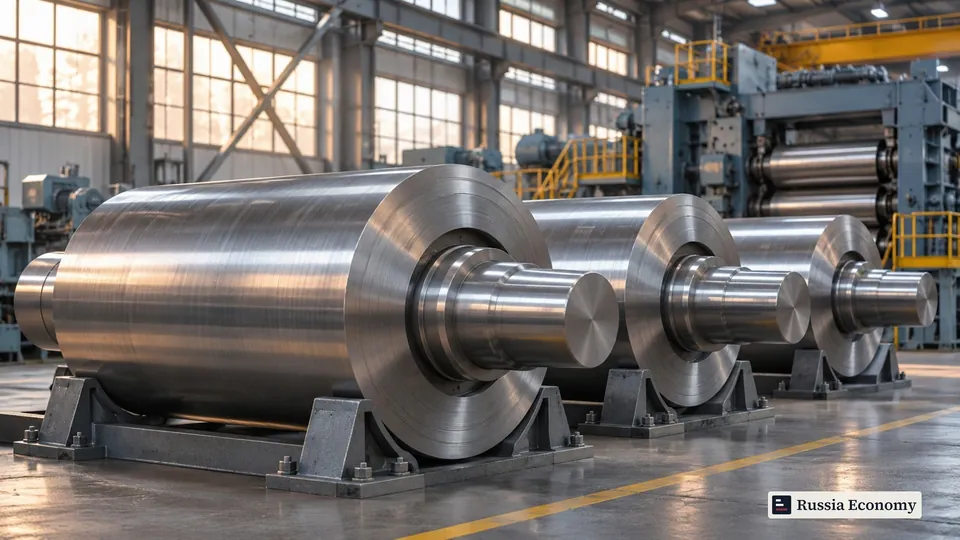
Russia's Industry and Trade Ministry is examining a deduction from the liquid-steel excise for purchases of Russian industrial equipment, the ministry's press service told Interfax in a report published November 20. The proposal includes rolling-mill rolls, while the amount and eligibility conditions remain to be worked out with the Finance Ministry after additional calculations.
The new ministry response advances an existing policy discussion rather than announcing an enacted tax benefit. Companies considering equipment orders cannot treat the proposal as an approved reduction in their current tax bill.
An equipment-linked incentive is under examination
According to the ministry's response reported by Interfax, Sverdlovsk region proposed the measure to support demand for the Kushva rolling-roll plant's products. The ministry is considering a list covering thermal, foundry and rolling equipment, including cast-iron and steel rolls.
The ministry's stated argument is that a deduction could lower the cost of technological modernization for steelmakers while directing orders toward domestic equipment suppliers and their component producers. That is the government's proposed economic rationale, not a measured increase in orders or output caused by a policy already in force.
The distinction between an incentive and its outcome is central. A lower qualifying cost may change a company's comparison of projects, but the size of that effect depends on the eventual terms and on whether a firm actually makes an eligible purchase.
The missing terms determine the practical value
A deduction's headline is not enough to calculate a company's benefit. The rate or amount, qualifying expenditure, relevant period and procedures would need to be known before a reader could turn the idea into a financial estimate. The ministry explicitly left the amount and conditions to further work with the Finance Ministry.
For now, it would be premature to assign a value to the benefit per tonne of steel or per machine purchased. Nor does an equipment-linked proposal establish a general cancellation of the liquid-steel excise. The policy being considered connects tax treatment to a particular type of expenditure.
From an economic perspective, eligibility definitions shape who can use an incentive. A narrowly defined equipment list and a broader modernization allowance would reach different purchases. Until terms are settled, those are design questions rather than established features of this proposal.
A regional request enters a wider policy discussion
Interfax places the ministry's response after a Federation Council recommendation earlier in November to examine an equipment-linked deduction. The November 20 statement supplies a new account of ministerial consideration, including the possible equipment categories and the need for further joint calculations.
The earlier recommendation and the latest response have different institutional meanings. A recommendation to study an option is not legislation; a ministry examining it is not confirmation that the Finance Ministry has agreed to a final mechanism. Keeping those stages separate avoids bringing an expected benefit forward into the present.
For equipment manufacturers, a potential future incentive is also different from a signed order. The transmission from a policy decision to demand would depend on purchasing decisions and delivery arrangements, not merely on publication of an announcement.
Watch the design before estimating the effect
The next useful evidence would be concrete terms: the proposed deduction, the equipment covered, the approval route and the timing of any eventual implementation. Those details would allow a more meaningful comparison of the cost to public revenue and the incentive for investment.
Until then, the confirmed development is limited but consequential: the ministry says it is working on an equipment-linked tax option. Its hoped-for industrial effect remains an official assessment, while the actual benefit and its distribution are unresolved. The proposal should be followed as a policy under development, not entered into company forecasts as an existing entitlement.
Further background: Russia's tax system explained.