ExplainerTrade & Sanctions
Russia's parallel imports: how the mechanism works
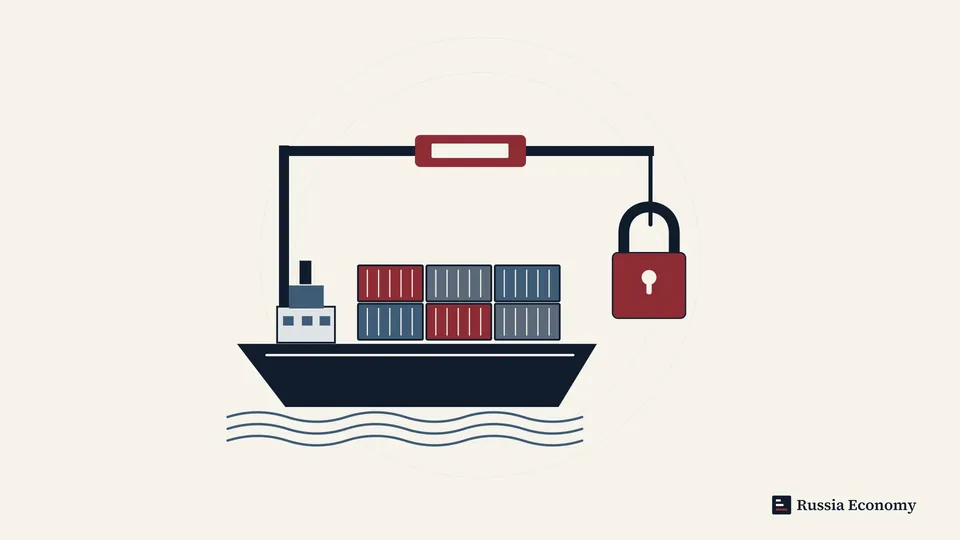
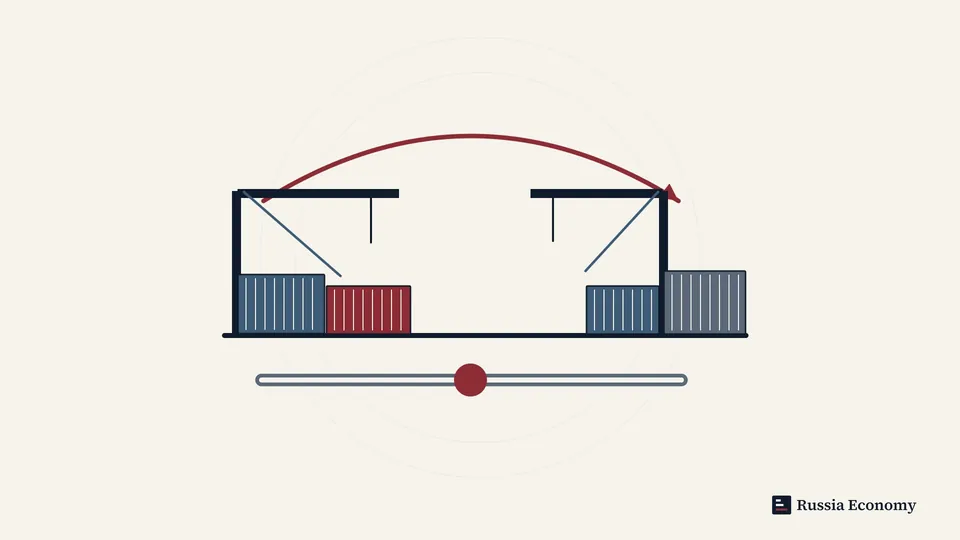
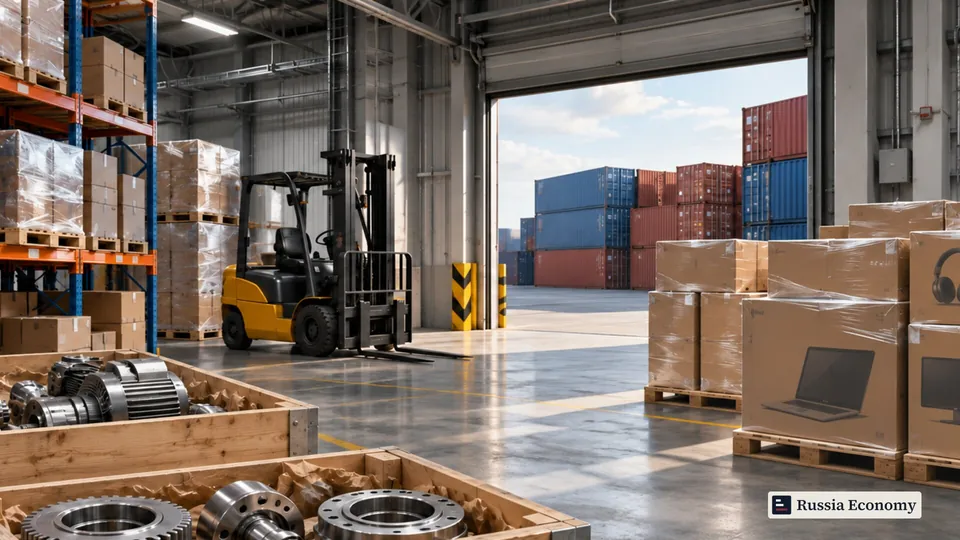
The exception permits selected genuine goods without separate import consent from rights holders, while leaving foreign restrictions and commercial risks in place.
Coverage
Understand Russia's trade relationships and the restrictions affecting them. Coverage follows partners, customs data, payment systems, logistics and sanctions imposed by named jurisdictions. We distinguish the adoption of a measure from its implementation and measured effects. Trade diversion, compliance friction and changing settlement currencies are examined without treating continued commerce as proof that every restriction is ineffective.
ExplainerTrade & Sanctions
The exception permits selected genuine goods without separate import consent from rights holders, while leaving foreign restrictions and commercial risks in place.
NewsTrade & Sanctions
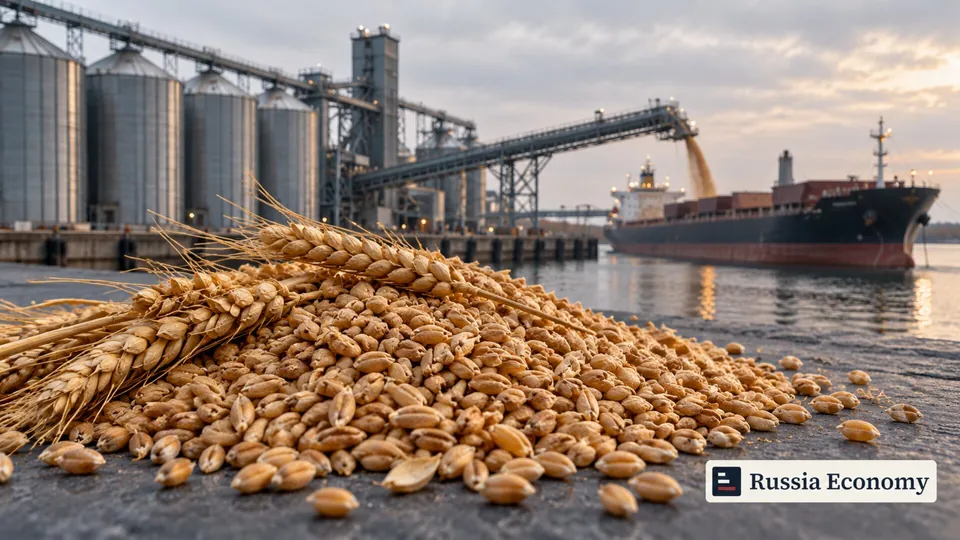
Official harvest updates, industry export forecasts and a temporary zero duty describe different parts of Russia's 2026 grain outlook.
NewsTrade & Sanctions
Russia’s January to August current-account surplus reached $35 billion. The monthly figures and rising trade-settlement claims explain why that is not a cash total.
ExplainerEnergy
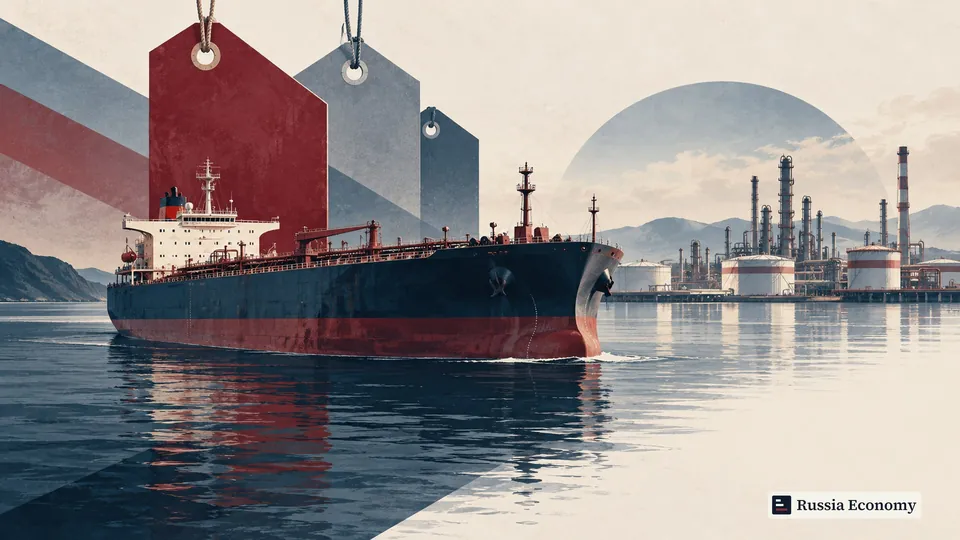
The legal cap, the market discount and the tax reference describe different prices, with different implications for revenue.
Partner contentOpenSanctions
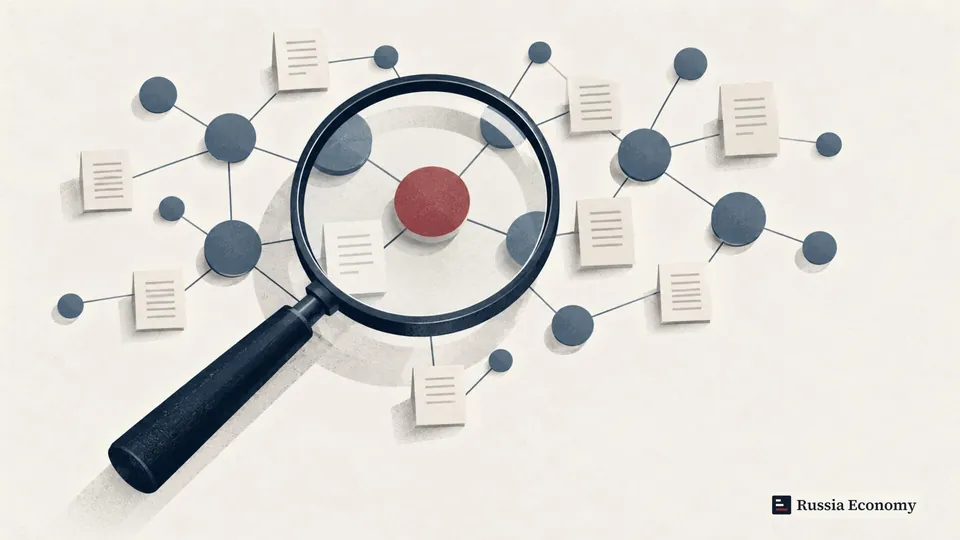
The database connects public records, but a name match or relationship is not a legal ruling about a person or transaction.
ExplainerTrade & Sanctions
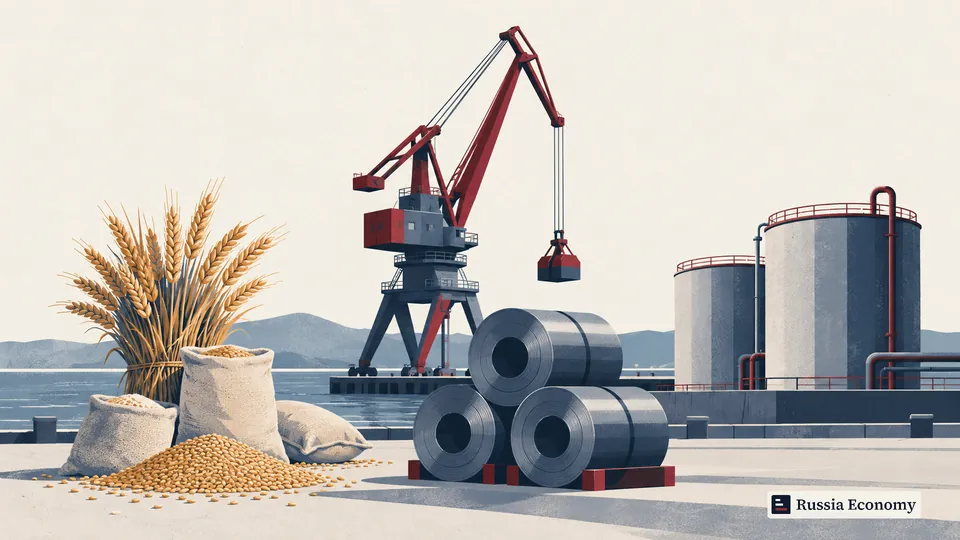
Energy remains central to Russia's export earnings, alongside metals, food and chemicals. Understanding the mix requires separating prices from quantities and customs from external accounts.
ExplainerMarkets
The Moscow Exchange connects trading with clearing and custody, while sanctions and different account rules make access depend on more than a quoted market price.
ExplainerBanking
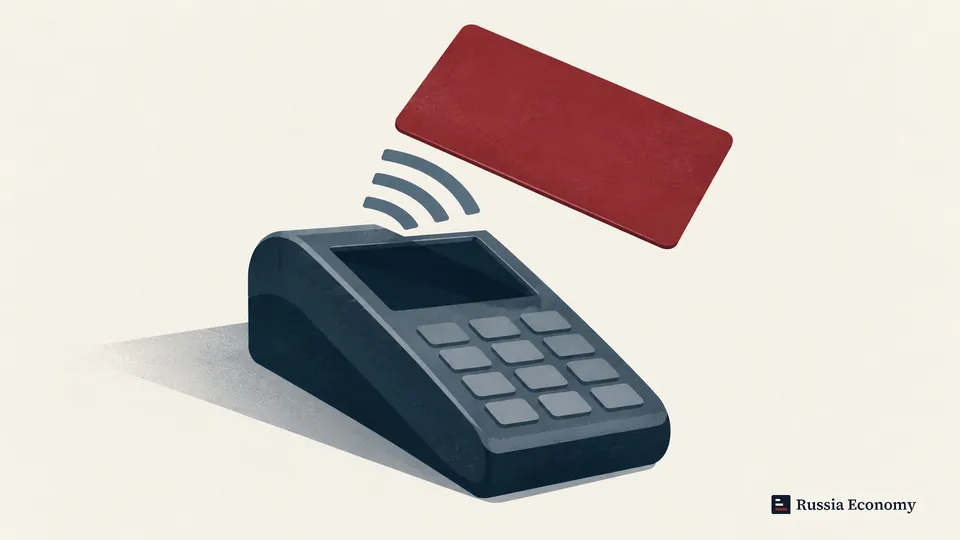
Mir, the Faster Payments System and SPFS perform different jobs, which explains how domestic payments continued after international card networks suspended operations.
NewsTrade & Sanctions
The October 15 measures name three people and nine entities; the Council says the targets helped move restricted goods, oil or payments through international networks.
ExplainerTrade & Sanctions
China is an important buyer and supplier for Russia, but trade totals, energy routes and settlement currencies reveal different kinds of dependence.
ExplainerTrade & Sanctions
Sanctions restrict particular financial, trade and technology channels; judging their effects requires separating legal measures, adaptation costs and uncertain counterfactuals.
ExplainerEnergy
Russia's energy earnings depend on the price actually received, the route to the buyer and the tax system, not simply on the number of barrels exported.
ExplainerRuble
The ruble floats, but interest rates, export receipts, restrictions and payment channels influence both its official value and the rate customers receive.