NewsBusiness
Severstal’s quarterly cash flow rebounds, but no nine-month dividend follows
Severstal reported 42.6 billion rubles in third-quarter free cash flow but a negative nine-month total. Receivables, factoring and investment explain the gap.
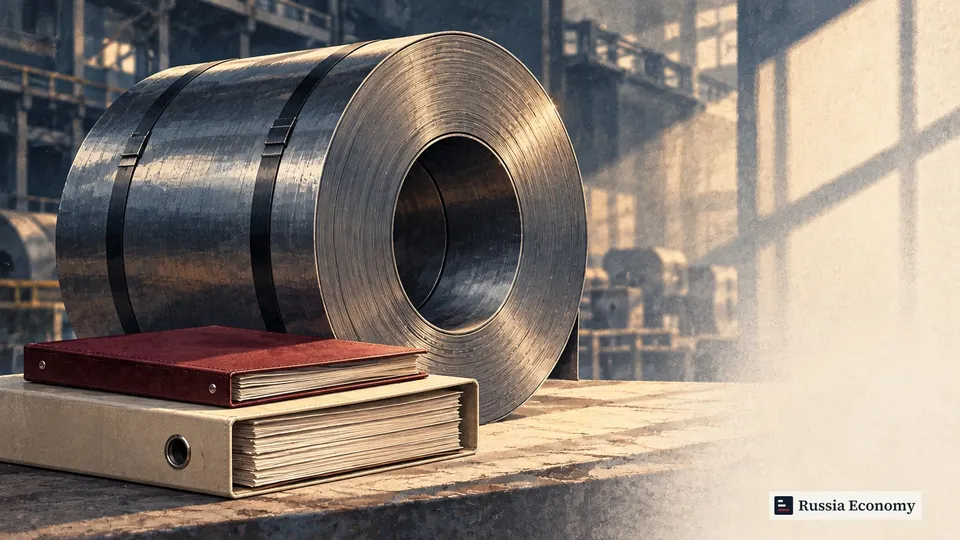
Severstal reported a sharp recovery in third-quarter free cash flow, but said it would not distribute dividends for the first nine months of 2026. The distinction is the reporting period: a strong July to September quarter did not erase the cash outflow accumulated earlier in the year.
The Russian steelmaker’s October 20 results put quarterly free cash flow at 42.618 billion rubles, compared with 7.272 billion rubles a year earlier. For January to September, however, free cash flow remained negative at 27.577 billion rubles.
Better profitability did not mean more tonnes sold
Quarterly revenue fell about 3% year on year to 173.535 billion rubles. EBITDA rose 13% to 39.981 billion rubles, and its margin increased to 23% from 20%. Net profit rose 17% to 15.174 billion rubles.
Severstal attributed the margin improvement to prices and cost optimization. A better product mix supported average selling prices, partly offsetting lower sales volumes. Steel-product sales declined 9% to 2.607 million tonnes, while steel production was broadly unchanged at 2.723 million tonnes.
Production, sales and profit therefore tell different stories. More profitable activity does not automatically mean more physical sales, and a shift toward finished products can change the relationship between output, inventories and shipments.
Why the cash result improved so much
The company linked stronger quarterly cash flow to higher EBITDA and a release of working capital through lower trade receivables. Chief executive Alexander Shevelev also pointed to restored factoring volumes.
Receivables are amounts owed by customers. Reducing them can release cash already tied up in the business. Factoring involves an intermediary and those receivables, potentially changing when the company receives funds; its precise financing and risk effects depend on the arrangement.
Investment spending also fell 42% year on year to 23.183 billion rubles for the quarter. Lower investment payments can support free cash flow independently of changes in profit. Severstal’s disclosed calculation includes operating cash flow, capital investment outflows, asset-disposal proceeds, and interest and dividends received.
These moving parts explain why free cash flow should be read separately from net profit and EBITDA. The release identifies the factors behind the improvement but does not establish that the same working-capital benefit will recur every quarter.
The nine-month result still governs the dividend explanation
Nine-month revenue was 488.410 billion rubles, down 10%, while net profit fell 61% to 19.293 billion rubles. Management tied the absence of a distribution to negative cumulative free cash flow and the need to concentrate resources on investment projects.
Severstal retained its 112 billion-ruble capital-expenditure forecast for 2026 and said it expected full-year free cash flow to remain negative. Those are management’s expectations, not completed annual results.
The quarter provides evidence of improved profitability and cash collection at one company. It does not, by itself, establish a recovery across Russian manufacturing or guarantee a future dividend. The next useful test is whether better operating performance continues without relying on another release of receivables.